
CH340 vs CP2102 vs CH341 vs FT232 Differences
Catalog
What is CH340?
What is CP2102?
What is CH341?
What is FT232?
CH340 VS CP2102 VS CH341 VS FT232 Pinout
CH340 VS CP2102 VS CH341 VS FT232 CAD-Model
CH340 VS CP2102 VS CH341 VS FT232 Features
CH340 VS CP2102 VS CH341 VS FT232 Difference
CH340 VS CP2102 VS CH341 VS FT232 Diagram
CH340 VS CP2102 VS CH341 VS FT232 Applications
CH340 VS CP2102 VS CH341 VS FT232 Alternative
CH340 VS CP2102 VS CH341 VS FT232 Key Difference
Introduction:
Hey, guys! Welcome to the world of USB-to-serial converter chips, the CH340, CP2102, CH341, and FT232 are all viable options, it's common to encounter various USB-to-serial converter chips for interfacing microcontrollers or other electronic devices with a computer. In this article, we will explore the differences between CH340, CP2102, CH341, and FT232 to help you understand their characteristics and applications. Feel Free to find Xinshop electronics CH340 Please RFQ!
What is CH340?
1. CH340:
The CH340 is a USB-to-serial converter chip produced by the Chinese manufacturer WCH. It is widely used due to its low cost and availability. The CH340 is capable of converting USB signals to UART (Universal Asynchronous Receiver-Transmitter) signals, making it suitable for connecting microcontrollers, Arduino boards, and other devices to a computer. It supports a range of baud rates and operates at 5V or 3.3V logic levels. However, it may require the installation of specific drivers, as it is not natively supported by some operating systems.
What is CP2102?
2. CP2102:
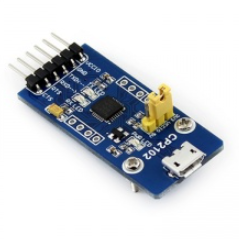
The CP2102, developed by Silicon Labs, is another popular USB-to-serial converter chip. It offers similar functionality to the CH340 but comes with some notable differences. The CP2102 is known for its ease of use, as it doesn't typically require additional drivers on most operating systems, thanks to its built-in drivers. It supports multiple baud rates and operates at 5V or 3.3V logic levels. The CP2102 is often favored for its reliability and compatibility across different platforms.
What is CH341?
3. CH341:
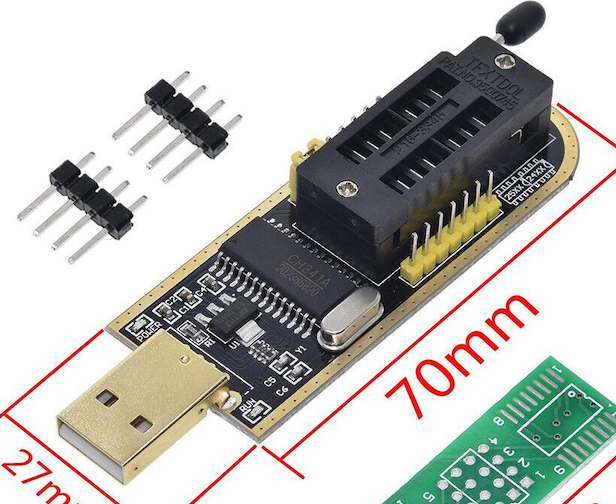
The CH341, also manufactured by WCH, is another member of the CH34x series of USB-to-serial converter chips. It shares similarities with the CH340, but it offers some additional features. In addition to UART communication, the CH341 supports parallel, SPI, and I2C interfaces, making it a versatile choice for various applications. Like the CH340, the CH341 may require specific drivers for certain operating systems. It operates at 5V or 3.3V logic levels and supports various baud rates.
What is FT232?
4. FT232:
The FT232, developed by FTDI (Future Technology Devices International) is a widely recognized USB-to-serial converter chip. It has been a popular choice for many years due to its robustness, reliability, and extensive driver support across different operating systems. The FT232 offers advanced features such as bit-bang mode, which allows individual control of every pin, making it suitable for diverse applications beyond standard serial communication. It operates at 5V or 3.3V logic levels and offers support for various baud rates.
CH340 VS CP2102 VS CH341 VS FT232 Pinout
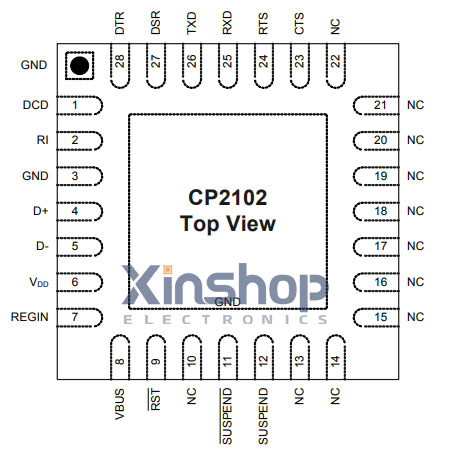
CP2102 Pinout

FT232 Pinout
CH340 VS CP2102 VS CH341 VS FT232 CAD-Model
CH340
CH340

CH340 Symbol
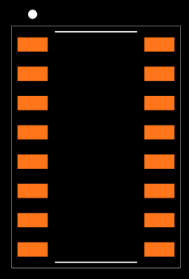
CH340 Footprint

CH340 3D-Model
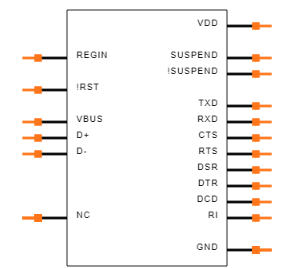
CP2102
CP2102 Symbol
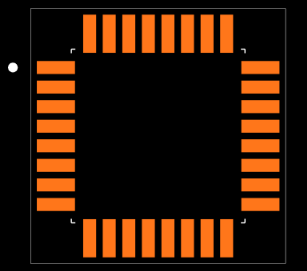
CP2102 Footprint
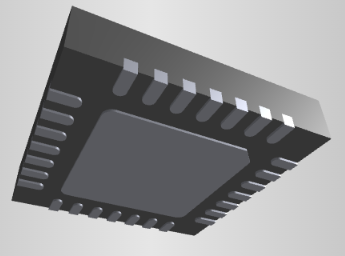
CP2102 3D-Model
CH341
CH341 Symbol
CH341 Footprint
CH341 3D-Model
FT232

FT232 Symbol
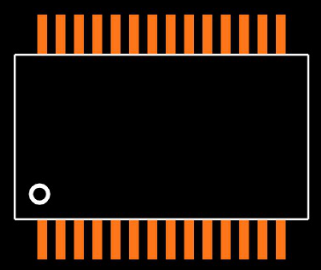
FT232 Footprint

FT232 3D-Model
CH340 VS CP2102 VS CH341 VS FT232 Features
CH340 VS CP2102 VS CH341 VS FT232 Block Diagram
CH340 Block Diagram
CCP2102 Block Diagram
CH341 Block Diagram
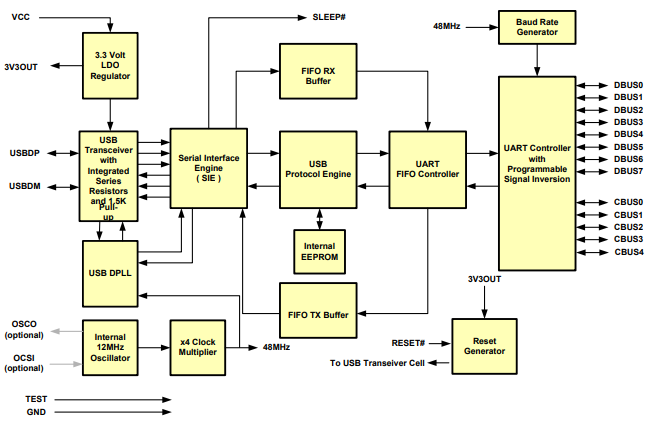
FT232 Block Diagram
CH340 VS CP2102 VS CH341 VS FT232 Applcations
CH340 VS CP2102 VS CH341 VS FT232 Alternative
CH340 VS CP2102 VS CH341 VS FT232 Package
CH340 Package Dimension
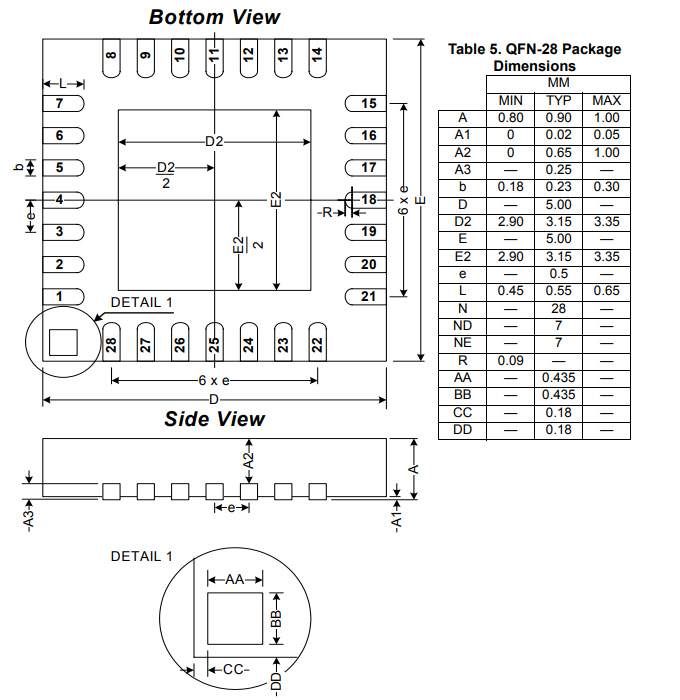
CP2102 Package Dimension
CH341 Package Dimension

FT232 Package Dimension
CH340 VS CP2102 VS CH341 VS FT232 Key Difference
Conclusion:
In the world of USB-to-serial converter chips, the CH340, CP2102, CH341, and FT232 are all viable options, each with its own set of characteristics and applications. The CH340 and CP2102 are often chosen for their low cost, while the CP2102 stands out for its built-in drivers and ease of use. The CH341 provides additional interfaces beyond UART, making it suitable for more complex projects. Finally, the FT232 is renowned for its reliability, extensive driver support, and advanced features.
Ultimately, the choice among these chips depends on factors such as cost, driver support, ease of use, and application requirements. Understanding the differences between these USB-to-serial converter chips will help you make an informed decision based on your specific needs.


Frequently Asked Questions
Related Articles

HMC349AMS8G RF Amplifier Datasheet, Specification, Pinout, FAQ
STM32F103C8T6,STM32F407VET6,STM32F103RCT6,STM32F405RGT6 Difference
LSM6DS3TR IMU Datasheet, Application,Pinout
What is NLSV4T244MUTAG Translators: Datasheet, Specification
STM32F207ZGT6 Microcontroller Datasheet,Pinout,Specification
ATMEGA2560-16AU vs ATMEGA640-16AU Microcontroller: Difference
MT41K512M16HA-125 IT:A Datasheet, CAD-Model, Specification
MMPF0100F0AEP PMIC Datasheet, Features, Pinout
STM32F103C8T6 Microcontroller Datasheet, Pinout, Schematic
EP3C55F484I7N Vs EP3C40F484C8N FPGA Comparison: Datasheet, Features
ATMEGA128A-AU vs ATMEGA1284P-MU: Differences and Similarity


